Last updated November 21, 2026
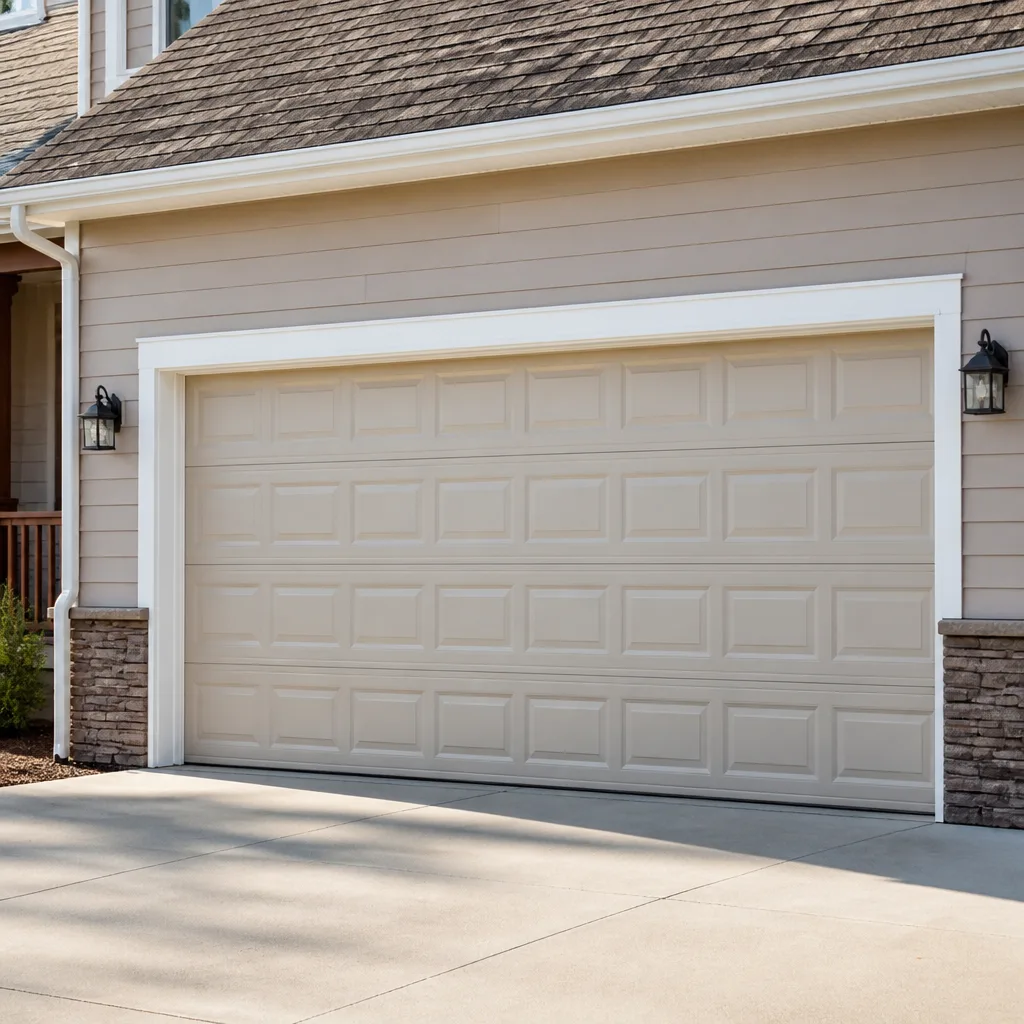 Raised-panel steel
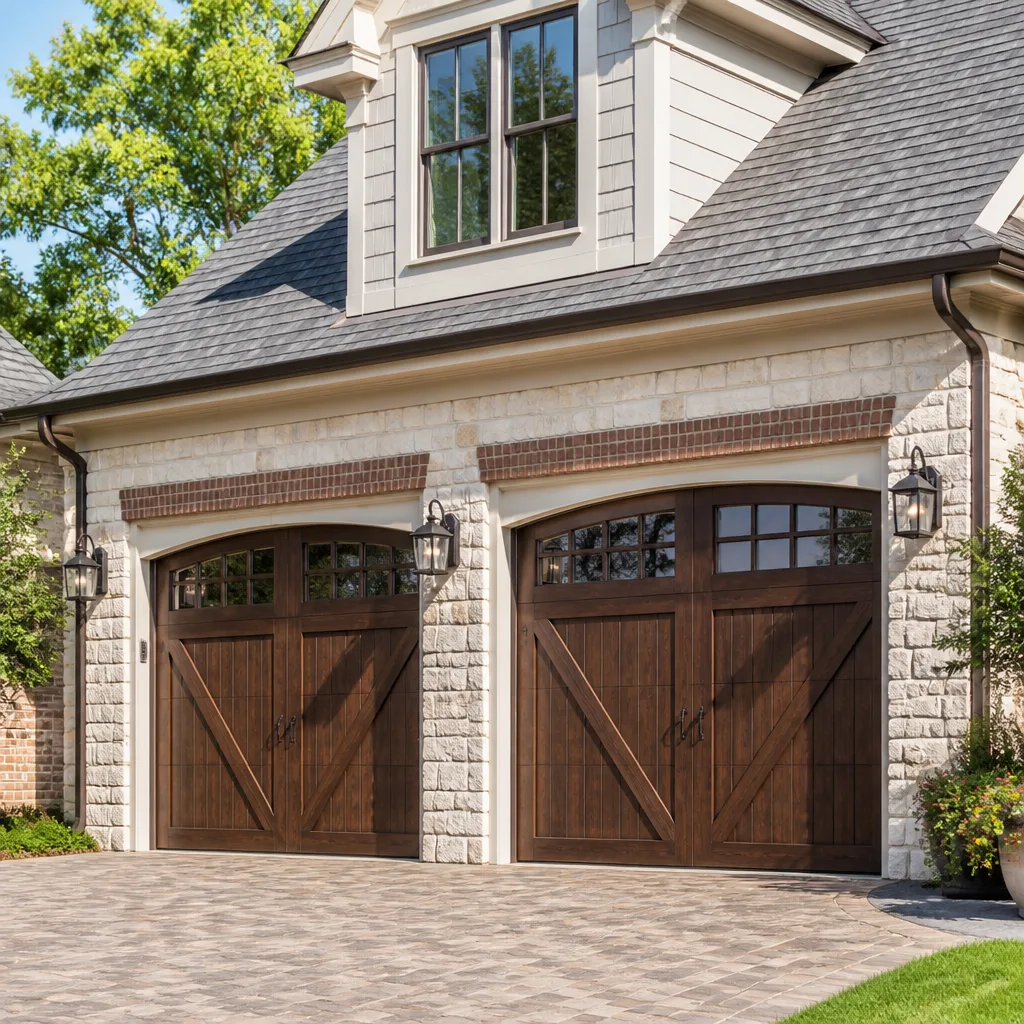 Carriage house
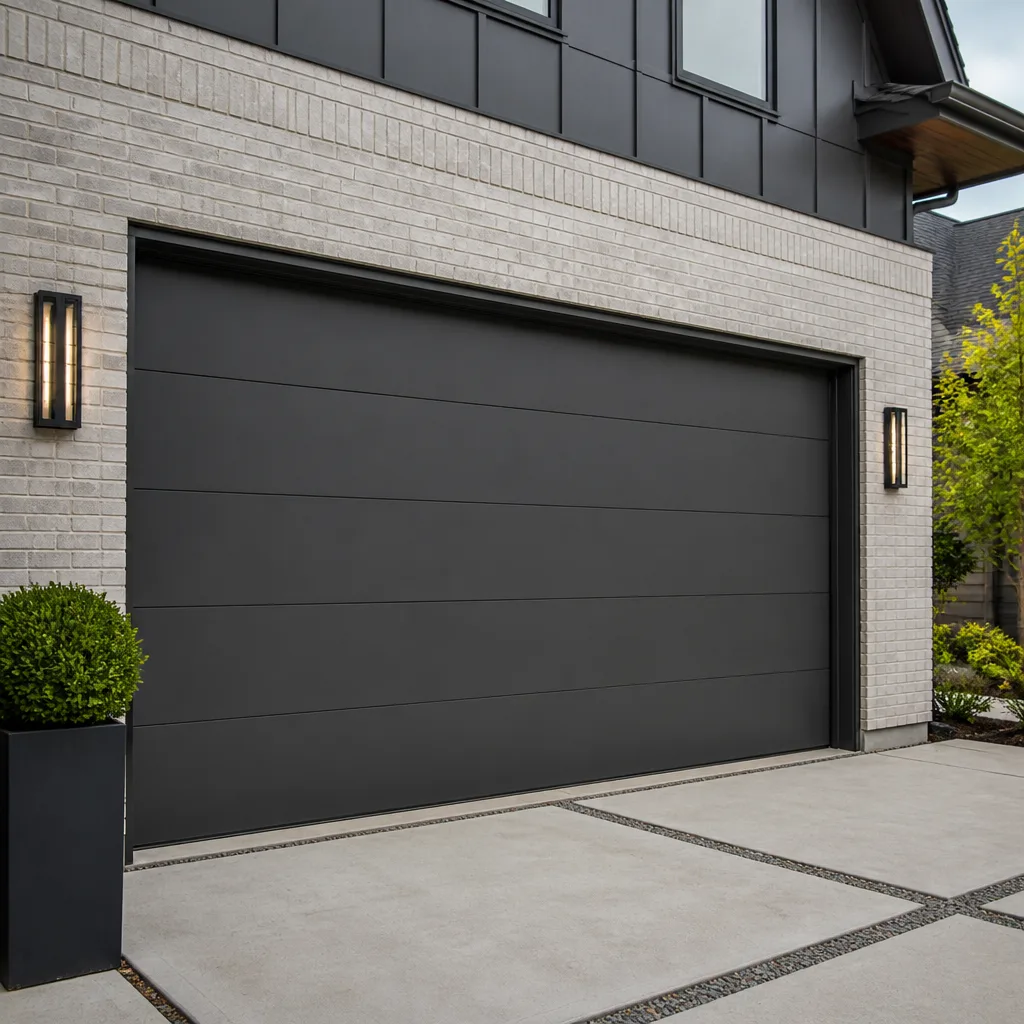 Modern flush
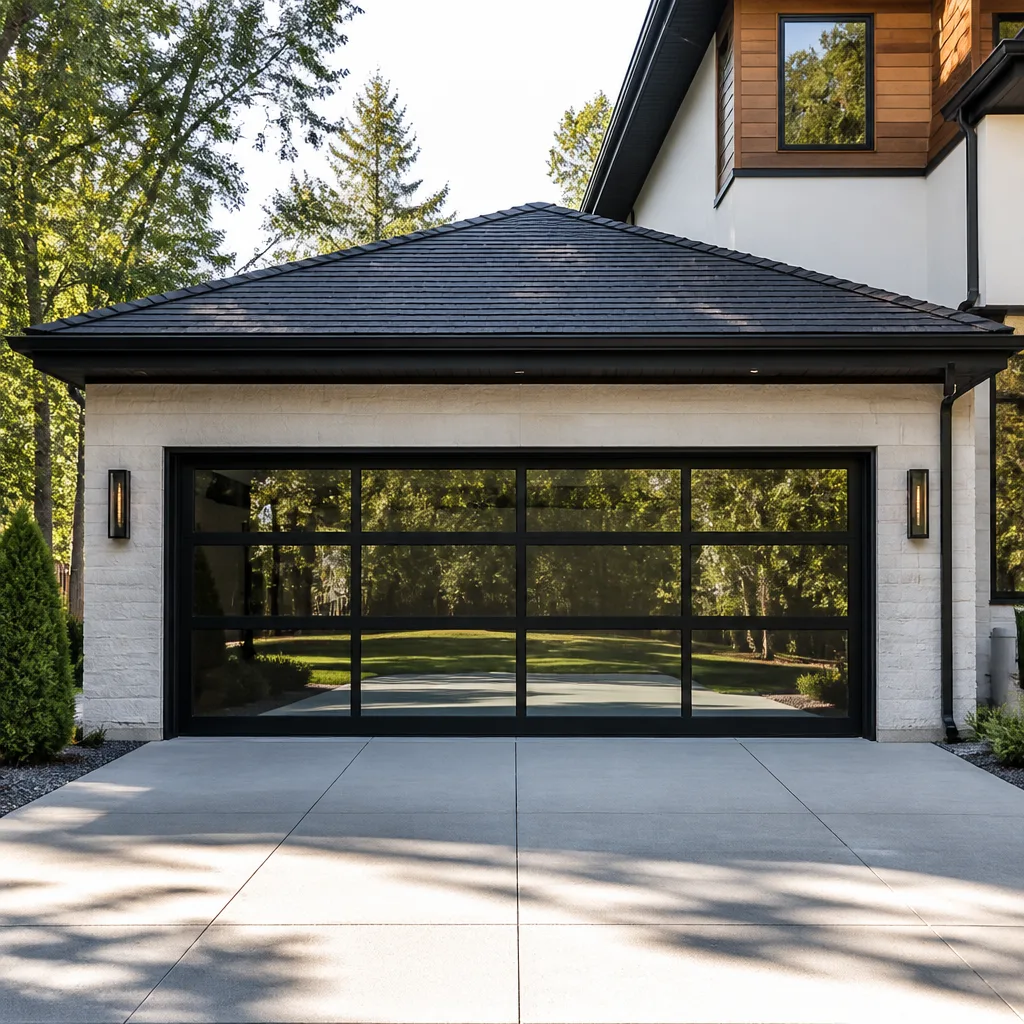 Full-view glass
 LiftMaster openers
 Chamberlain openers
Full 25-point door and opener safety check with every visit - springs, cables, rollers, tracks, and your LiftMaster or Chamberlain opener included
You get a price before we start. It does not change when the pro arrives.
Get your free estimateGarage Door Permits, Codes & Inspections in Brandon, FL: What You Need to Know
Most homeowners in Brandon assume a garage door is like a mailbox: you buy it, it goes on the house, and that’s the end of it. Here’s the part that surprises people: in Hillsborough County, replacing a garage door is a permitted structural change, and Florida’s wind-load rules apply to the door you buy. Not every door sold online or by an out-of-state dealer is rated for the wind pressures this county requires, and not every installer pulls the permit before the truck rolls. If the wind-load rating never came up in the conversation, there’s a good chance the permit didn’t either. This guide explains when Brandon garage door work needs a permit, what the wind-load ratings mean on paper, what an inspector actually checks, and how to close the gap between “installed” and “code-compliant.”
Quick Answer
In Brandon, replacing a garage door generally requires a building permit through Hillsborough County, and the replacement door must carry a wind-load rating that matches Florida Building Code requirements for your home’s location. Simple repairs – a new seal, a roller swap, a rebalanced door – usually don’t trigger a permit, and neither does swapping an opener when the door itself is untouched. The permit becomes the contractor’s responsibility, so the first question worth asking is whether they’re pulling one at all.
Styles & brands we work with
- Raised-panel steel
- Carriage house
- Modern flush
- Full-view glass
- LiftMaster openers
- Chamberlain openers
Table of Contents
- Permit or No Permit? How Brandon Garage Door Work Breaks Down
- Wind-Load Ratings in Florida: What ANSI/DASMA 108 Actually Means
- What a Code-Compliant Installation Inspection Covers
- What Local Inspectors Flag Most Often
- How Unpermitted Work Shows Up at Resale
- The HOA Layer: Carrollwood, FishHawk, and the Rules on Top of Code
- Choosing a Contractor Who Handles the Paperwork
- Frequently Asked Questions
Permit or No Permit? How Brandon Garage Door Work Breaks Down
The permit question is really a question about scope. In Hillsborough County, the dividing line usually sits between work that changes the door system and work that maintains it. A full replacement is the clearest case for a permit. Swapping the door panel or the whole door with a different model changes the rated assembly, and that rating is what the county cares about. Installation of a new door on new construction goes through the building permit for the house as a whole.
Repair work is different. Replacing springs, rollers, hinges, cables, or the bottom seal keeps the existing rated assembly intact, and those jobs are generally treated as maintenance rather than structural changes. That said, “generally” is the operative word, because scope can shift. If a repair turns into a full door replacement, the permit requirement follows the new work, not the original job.
Opener installs sit in their own category. The opener itself doesn’t change the door’s wind rating, so an opener-only replacement usually doesn’t need a permit, even when the opener is a LiftMaster or a Chamberlain mounted to the same door. But the safety hardware matters: Florida requires the entrapment protection that every modern opener ships with, and a hacked connection to a pre-1993 opener won’t pass a home inspection, permit or not.
Here’s the practical breakdown for Brandon homeowners:
- Full door replacement: Permit likely required. Wind-load documentation expected.
- Panel or section swap: Depends on whether the rated assembly changes. Ask the county before assuming.
- Spring, cable, roller, hinge, or seal repair: Typically maintenance, no permit.
- Opener replacement (door untouched): Typically no permit. Safety sensors still matter.
- Adding a door where there wasn’t one: Permit required. Full structural review.
When in doubt, call the Hillsborough County building department directly. It’s a two-minute conversation and it settles the question faster than any contractor’s opinion, including ours. For routine garage door repair in Brandon, a permit question comes up far less often than it does on a replacement. For replacements, it should come up before the order is placed.
Wind-Load Ratings in Florida: What ANSI/DASMA 108 Actually Means
Florida Building Code Section 1609 addresses wind loads for building components, and garage doors count as a component. The practical effect is that a home’s garage door is expected to hold against a specified wind pressure, and the door you install needs documentation to prove it meets that number. That documentation usually comes from testing under ANSI/DASMA 108, an industry standard for rating the wind-load performance of sectional garage doors.
What does ANSI/DASMA 108 actually tell you? It tells you a door was tested, at a specific pressure, in a specific configuration, and whether it passed. The pressure a home in Brandon needs depends on factors like its location within the county, its exposure category, and its height above grade. A door rated for one wind pressure might not meet the requirement for a different home a mile away. That’s why reputable manufacturers publish door-by-door ratings: the number is per product and per size, not per brand.
This is where out-of-state purchases fall apart. A ray of national retail sites sell doors that meet plenty of state codes but weren’t tested for Florida’s requirements, and the listing often doesn’t say so. A door that doesn’t carry a wind-load rating for your home’s requirement can fail inspection, and that puts the homeowner on the hook for a corrected install or a second door.
Doors from manufacturers that regularly serve Florida markets are more likely to have documented ratings available for Brandon installations, though a brand name alone doesn’t guarantee a pass. A Raynor or a Wayne Dalton door can still miss the mark if the model or size wasn’t rated for the wind pressure at that address. Every door we install should come with its rated documentation, and every quote should include that documentation in writing.
A few things worth confirming on paper before ordering:
- The door model and size, exactly, as it will be installed
- The tested wind-load pressure and the standard it was tested under
- Whether the rated configuration includes the manufacturer’s reinforcement hardware
- The product approval or rating documentation the contractor will submit with the permit
If a contractor mentions wind load only after you ask twice, treat that as the answer. For the door system itself, the focus is on the assembly – the door, tracks, brackets, and spring system working together. A knowledgeable technician will talk about wind pressure in the same breath as the door order, because one determines the other.
What a Code-Compliant Installation Inspection Covers
An inspection is not a quality audit. It checks the specific items the permit requires, and it doesn’t care how neat the tracks look or whether the installer vacuumed the driveway. For a garage door replacement in Brandon, the items that show up on an inspection list usually fall into a small set.
First, the door itself: model, size, and labels. The inspector is looking for the label or documentation that matches the wind-load rating submitted with the permit. Second, mounting and attachment: brackets, anchors, and the connection to the framing. A door rated correctly but hung on under-sized lag bolts doesn’t pass. Third, the safety hardware on power-operated doors.
For homes with an automatic opener, the inspection covers the two safety systems the door and opener share:
- Photo-eye sensors. Mounted on each side of the opening, roughly six inches above the floor, aligned and tested so the door reverses when the beam is broken.
- Entrapment protection. The force-limit settings on the opener, plus a reversing test with a test object under the door.
The door has to operate and reverse. If the door binds because the spring tension is off, the reversing test can fail and put the inspection on the back foot.
Schedule timing matters. In our experience, doors that are prepped before the inspection appointment, with the documentation and the reversing test confirmed, tend to move through on the first pass. Doors installed on a Friday with the inspection appointment on Monday, and a twisting track nobody looked at, tend to get a re-inspection appointment instead. The re-inspection costs time on the sale because the buyer’s lender can stall a closing on an open permit.
What Local Inspectors Flag Most Often
Most failures aren’t dramatic. They’re small things that were skipped because nobody slowed down. Here are the ones we hear about most often from Brandon contractors and homeowners.
Missing or mismatched wind-load documentation. The door is installed, it works, and there’s no paperwork to support the rating. This is the most common flag, and it’s the easiest to avoid if the documentation is in hand before the install.
Wrong door for the rated pressure. A door that was rated for a lower pressure than the address requires. Usually this happens because a homeowner or contractor grabbed the closest model on a retail site without checking the rating.
Fastening into the wrong framing. Brackets designed for one framing condition hung on a different one, or lag bolts that don’t reach solid structure. Inspectors check attachments because attachment failures are the failure mode wind-load ratings exist for.
Photo-eye sensors misaligned or mounted too high. Sensors mounted above six inches, or aimed slightly off so the beam breaks only some of the time. Both fail the reversing test.
Missing permit. The work happened, but the permit was never filed. This shows up later at a home inspection, sometimes years later, and the county can require the work to be brought into compliance after the fact.
Tracks out of plumb after installation. An install that leaves the door dragging can trip the reversing test.
How Unpermitted Work Shows Up at Resale
Unpermitted work usually doesn’t announce itself. It waits for the home inspection, and a garage door replacement without a permit tends to surface when the home inspector notes the door as “replaced, no permit on record.” Some inspectors note it as a matter for the buyer’s due diligence; some flag it more strongly. Either way, a buyer’s agent sees it, and an unpermitted structural change can become a repair-credit conversation or a closing delay.
Then the county gets involved. Bringing the install into compliance can mean an after-the-fact permit application, a plan review, an inspection, and any corrections the inspector requires. Compare that with doing it right the first time, when the permit and inspection are usually folded into the installer’s quote with none of the seller-side scramble.
Deals have fallen apart over smaller paperwork gaps than this. Lenders care about open permits, and title companies sometimes flag them. If the garage door replacement was the last item on a checklist before listing, and nobody pulled the paperwork, the seller finds out when a buyer’s inspection report drops.
There are two ways to reduce the risk:
- Ask for the permit number and the inspection record before the final payment, and keep both with the door documentation.
- Check the county’s permit search for the address if you’re buying a home with a newer garage door and the seller says “it was done, I think there was a permit.”
In either case, the door can usually be sorted out. It’s just a slower, more expensive process than the original install.
The HOA Layer: Carrollwood, FishHawk, and the Rules on Top of Code
Building code is the floor. Your HOA can add requirements on top of it. In Brandon’s planned communities, particularly around FishHawk Ranch and the older deed-restricted neighborhoods toward Carrollwood, the architectural review process runs on its own clock and it doesn’t care that your door arrived ahead of the schedule.
The aesthetic rules vary by association, but they tend to cluster around a few themes:
- Color. Approved palettes. A “black” door from one manufacturer and “black” from another can be two different approvals.
- Panel style. Some associations require carriage-house style, some require a flush panel, some specify the number of windows.
- Visible hardware. Whether hinges and handles are allowed on the exterior face of the door.
- Submittal process. A form, a photo, and a review before installation, sometimes with a review fee.
- Matching. A door replaced in a multi-door home often has to match the existing doors.
The permit and the HOA approval are two separate tracks. A door can be code-compliant and still rejected by the association because the color doesn’t match the palette. It can also be rejected after installation, which is where the trouble really lives: a door that passes inspection but fails architectural review can be one the homeowner ends up painting or replacing on their own.
The practical move is to submit the door model, size, and color to the architectural review committee before ordering. Get the approval in writing. Then pull the permit. The two processes are independent, and doing both before the order arrives is the only way to avoid ordering twice. In our experience, the associations around FishHawk and Carrollwood Ranch are responsive when the submittal is complete and slower when it’s a phone call asking “is this color okay?”
Choosing a Contractor Who Handles the Paperwork
The contractor who pulls the permit is the contractor who stands behind the wind-load documentation. That’s the simplest way to put it. A crew that installs without pulling the permit has, in practice, handed the liability back to you.
Here’s what to look for in the quote:
- The door model and rated wind pressure spelled out, not just the price.
- The permit application included in the scope, with the permit fee as a line item or clearly described.
- The inspection appointment scheduled as part of the job, not something you chase after the crew leaves.
- The wind-load documentation the contractor will submit, named before the order is placed.
- Licensing and insurance the contractor holds under Florida law, verified rather than promised.
Working with a crew that knows the exact system already on the house helps too. LiftMaster and Chamberlain openers and their respective accessories, for instance, differ in how the safety sensors wire and how the force settings are adjusted, and that matters if the door replacement is bundled with a new opener. A technician who works the brand on your house, rather than a generic universal equivalent, is usually faster at getting the reversing test right. The same holds for amp; and safety standards for the door itself, which should follow the manufacturer’s install instructions and the rated configuration.
The other half of that equation is diagnosis. If the door needs replacement, replacement is the right answer, but not every sticking door needs one. A door that drags is often a track that’s out of plumb, a hinge that’s worn, or a spring that’s lost tension. A quote that starts with “new door” before anyone has looked at the rollers is worth a second opinion.
If the installer is also replacing your opener, ask for the make and model of the opener in the written quote, and log the sensor positions. If any of those reversing tests fail after the install, the door and opener need to be re-checked by the installer before the inspection. It’s a lot cheaper to fix it before the first inspection appointment than after.
Common Mistakes to Avoid
- Buying the door first and asking about the permit later. The rating and the door are one decision, so match them before you order. Online listings rarely tell you whether a door meets Hillsborough County’s wind pressure requirements for your specific address.
- Assuming the HOA approval is handled by the installer. In FishHawk and similar Brandon-area neighborhoods, the architectural submittal is the homeowner’s responsibility unless the contractor agrees in writing to file it. Get the approval first and keep a copy.
- Skipping the permit to save time. The savings are short-term. The resale conversation, the after-the-fact permit, and the inspection corrections are the cost later.
- Letting a repair turn into a replacement without a permit. Springs, rollers, and cables are maintenance; a new door is not. If the scope changes mid-job, stop and sort out the permit before the trucks leave.
- Not verifying the installer’s license and insurance. A handyman who can install a door isn’t the same thing as a licensed installer who can pull a permit. Ask for the license and the insurance certificate.
- Ignoring the photo-eye sensors after the install. A door that reverses on command today but isn’t tested against a beam break can fail inspection. Test the sensors monthly.
- Assuming the door’s brand name means it’s rated for Florida. A Raynor or Clopay door can still miss the mark on a specific model and size. The rating is per door, not per brand.
See the difference
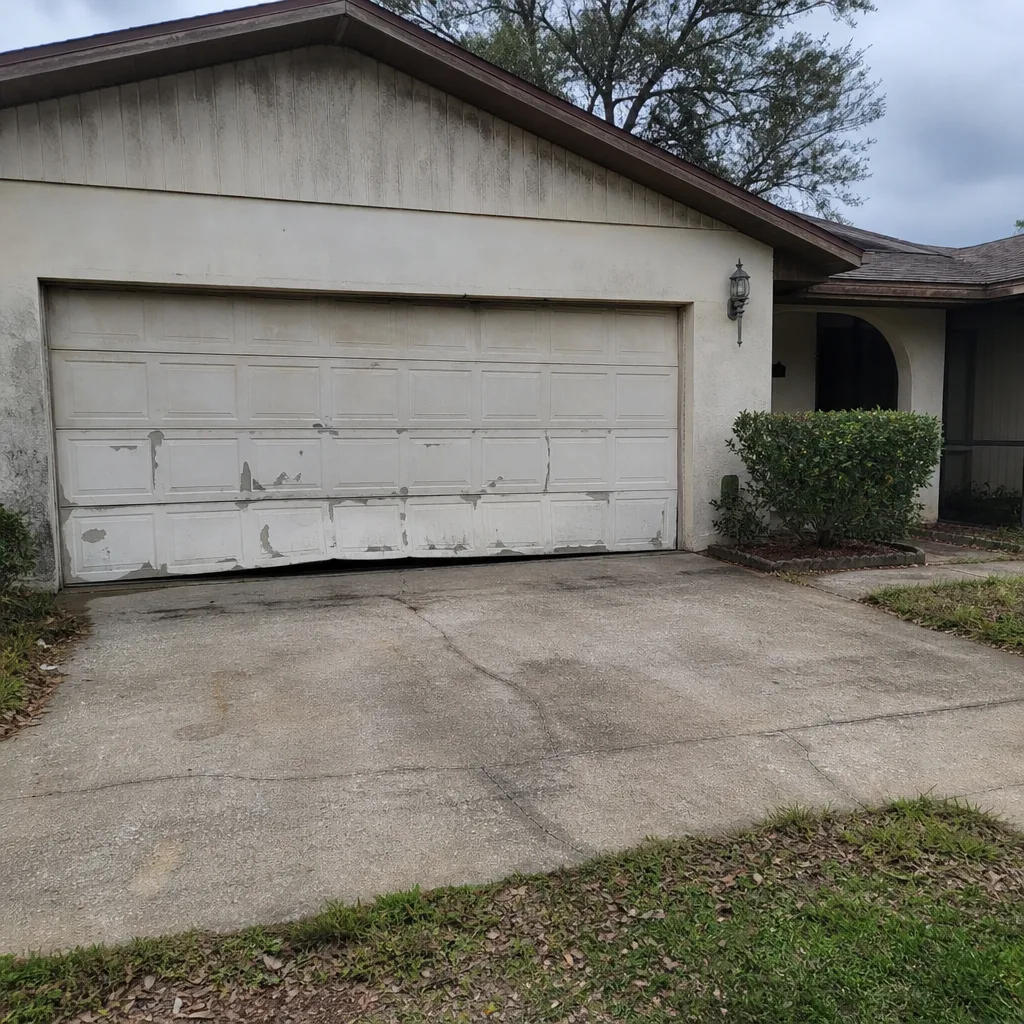 Before
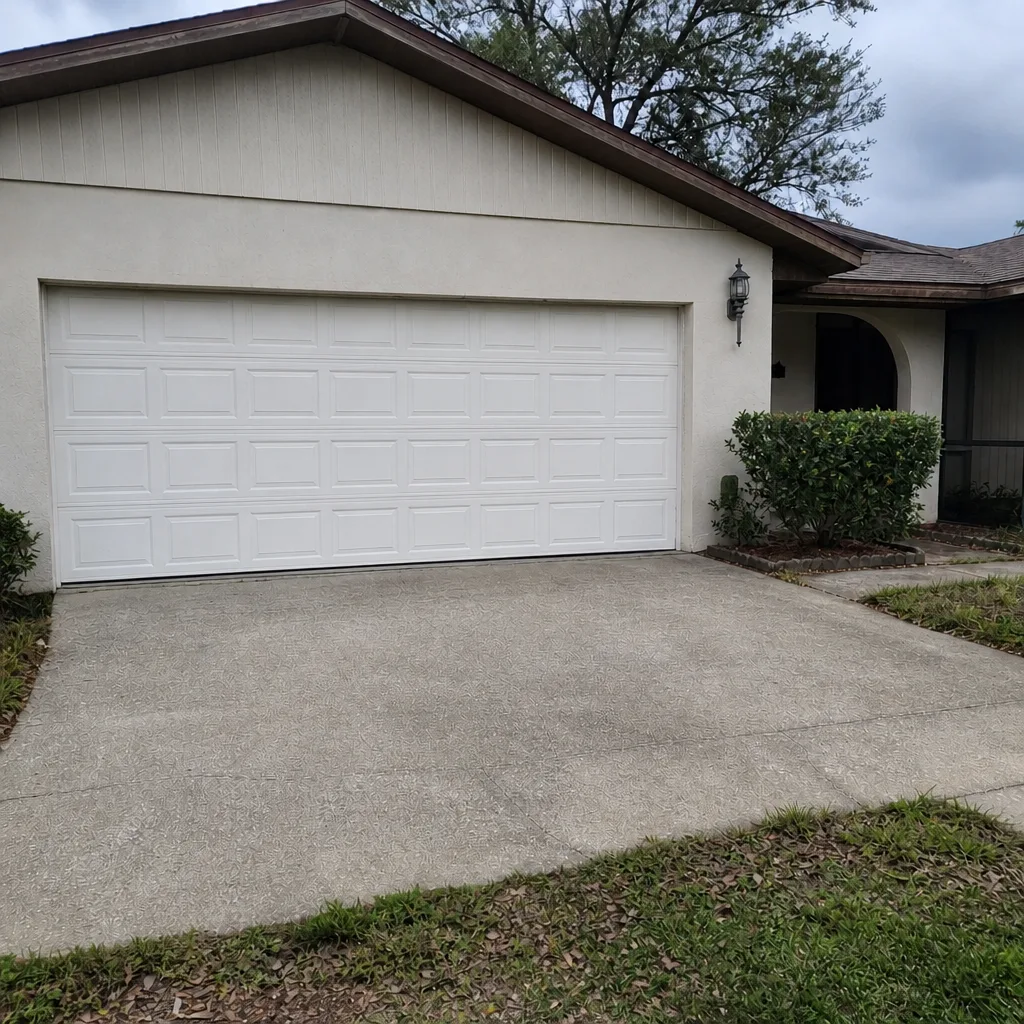 After
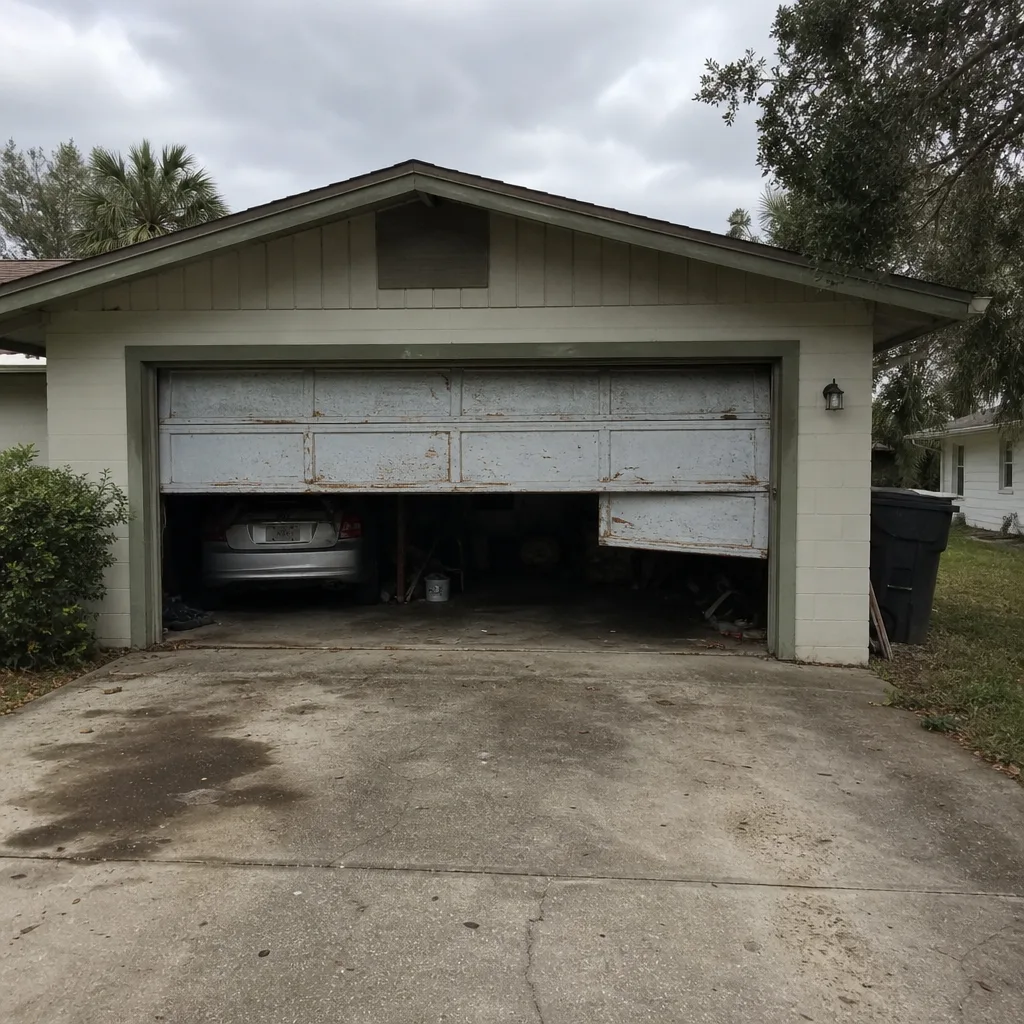 Before
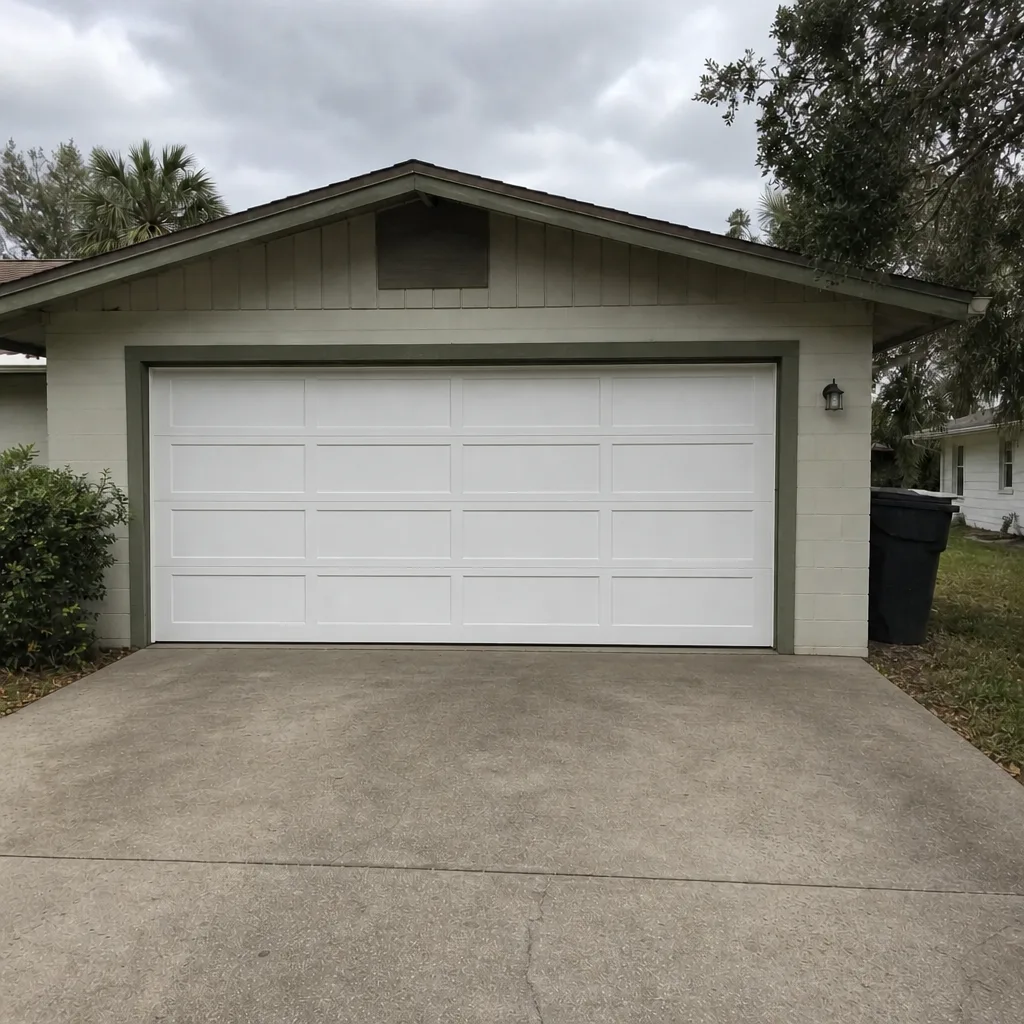 After
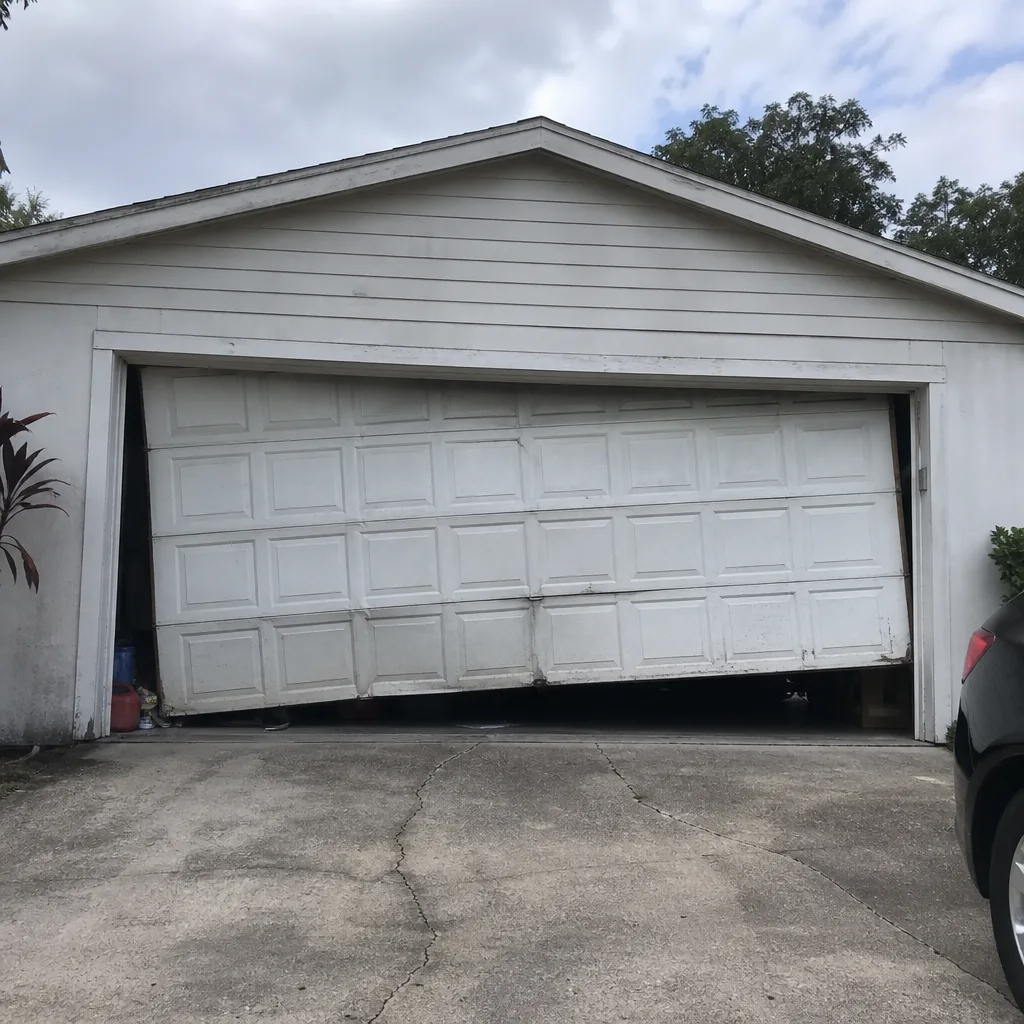 Before
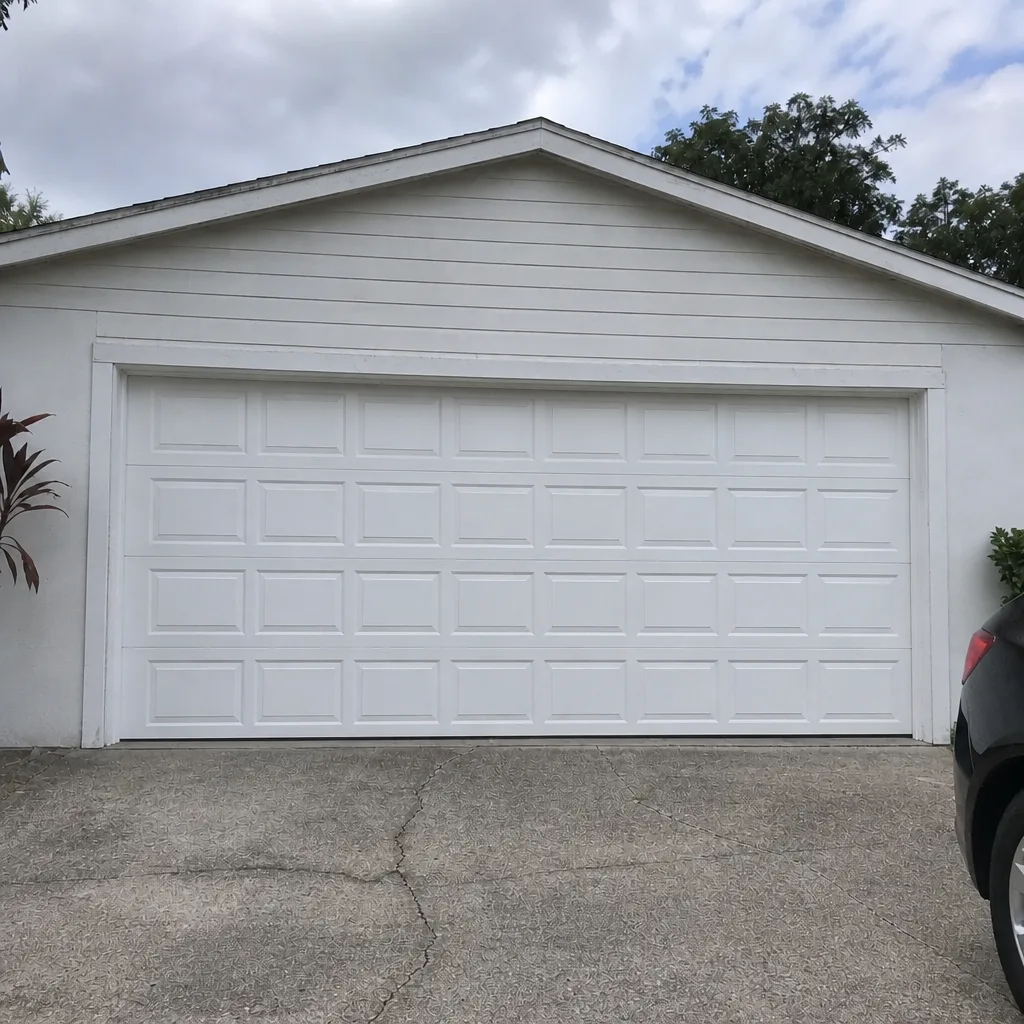 After
When to Call a Professional
Some jobs are worth handling yourself. A squeaky hinge and a wiped-down seal are not two of them. But two categories genuinely belong with a trained technician. The first is the door itself. A garage door carries hundreds of pounds of tension across springs, cables, and drums, and the margin between a repair and an injury is thin. If a spring breaks, the door drops, or the door stops halfway and won’t move, stop and call. The second is anything requiring a permit. Replacement is a code-and-documentation job, not just an install, and the permit and inspection need to be part of the job from the bid onward.
For spring work specifically, our garage door spring repair service is the right call. Springs are not a DIY job: the tension in a wound torsion spring can release without warning, and the wrong tools make it worse. For openers that stop responding, won’t reverse, or trip the breaker, that falls under garage door opener repair.
Brandon Garage Door Repair Co offers free estimates in Brandon. We work on the brand you already have, we pull the permit as part of the job, and we’ll tell you when a repair will do instead of a replacement.
Frequently Asked Questions
Yes, in most cases. A full garage door replacement in Hillsborough County typically requires a building permit, and the replacement door needs wind-load documentation for your home’s requirement. Repairs to springs, rollers, cables, and seals usually don’t require a permit. Call (855) 533-2795 for an exact quote on your install.
Usually no. An opener-only replacement doesn’t change the door’s wind-load rating, so it typically doesn’t trigger a permit. The safety hardware still matters, though: the photo-eye sensors and the reversing test have to work after the install, whether or not an inspector ever looks at them. If the opener swap is bundled with a new door, the permit applies to the door.
ANSI/DASMA 108 is the industry standard used to test and rate a sectional garage door’s wind-load performance. In Florida, the rated number matters because Florida Building Code Section 1609 requires the door you install to meet the wind pressure for your location. The rating is per model and per size, so a door that passes on one model doesn’t guarantee a pass on another. Esti
mates are free when you call (855) 533-2795.
It often does, and it usually shows up at the buyer’s home inspection rather than before. A buyer’s inspector may flag the door as replaced with no permit on record, and the county can require the work to be brought into compliance after the fact. Fixing it later typically costs more than doing it right the first time, so it’s worth checking for the permit record before you pay the installer.
Yes. Building code and HOA architectural review are separate processes, and the association can require a specific color, panel style, or hardware configuration that code doesn’t address. Submitting the door model, size, and color to the architectural review committee before ordering, and getting the approval in writing, avoids the painful case where the door passes inspection and fails the review. Call (855) 533-2795 for help documenting the door for your submittal.
An inspection checks the door model and rating documentation against the permit, the mounting and attachments to the framing, and the safety hardware on power-operated doors: the photo-eye sensors and the reversing test. It isn’t a quality audit, so neat tracks and a vacuumed driveway don’t matter. The common failures are a missing rating document, a door rated for the wrong pressure, sensors mounted too high, and a door that doesn’t reverse cleanly.
The Bottom Line
Permits for garage doors in Brandon aren’t red tape for its own sake. They exist because a door is part of the building envelope, and Florida requires it to hold against wind. That makes the documentation, the installation, and the inspection one continuous job, not three separate errands. Repairs stay repairs, replacements get a permit, and the wind-load rating has to match the door you actually install. If the contractor doesn’t mention wind load at all, treat that as your signal to ask harder questions. Do the paperwork up front and you avoid the resale scramble later. For an install or repair quote in Brandon, call (855) 533-2795. Estimates are free, and the written quote is the price before any work starts.
Written by the team at Brandon Garage Door Repair Co.