Last updated November 21, 2026
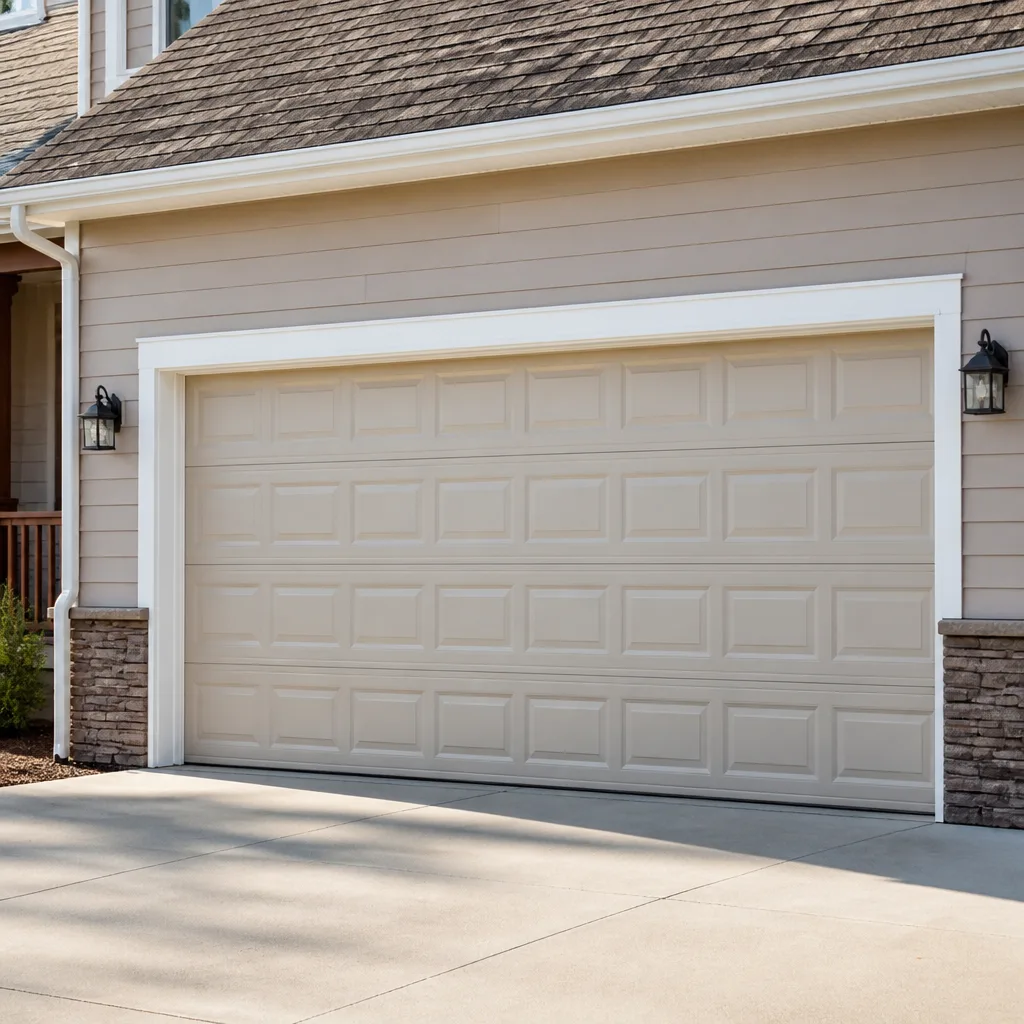 Raised-panel steel
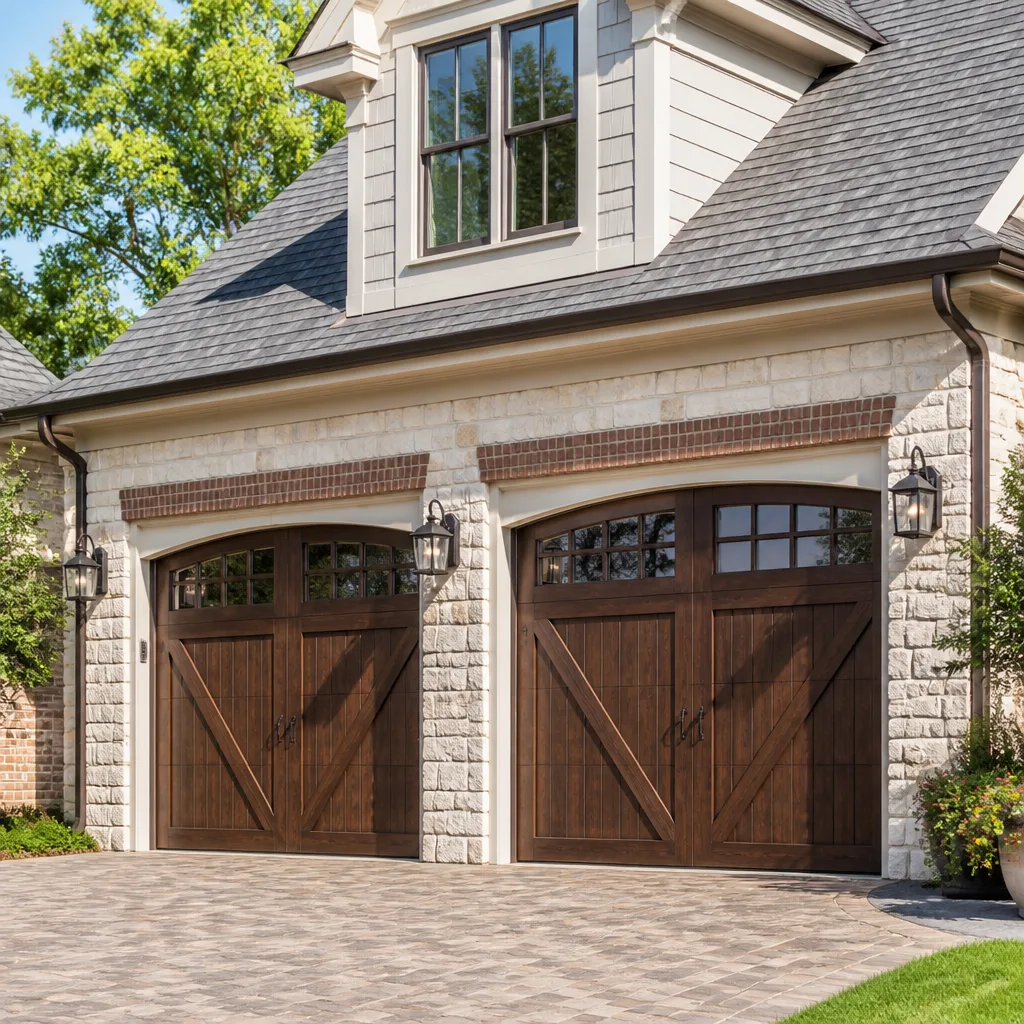 Carriage house
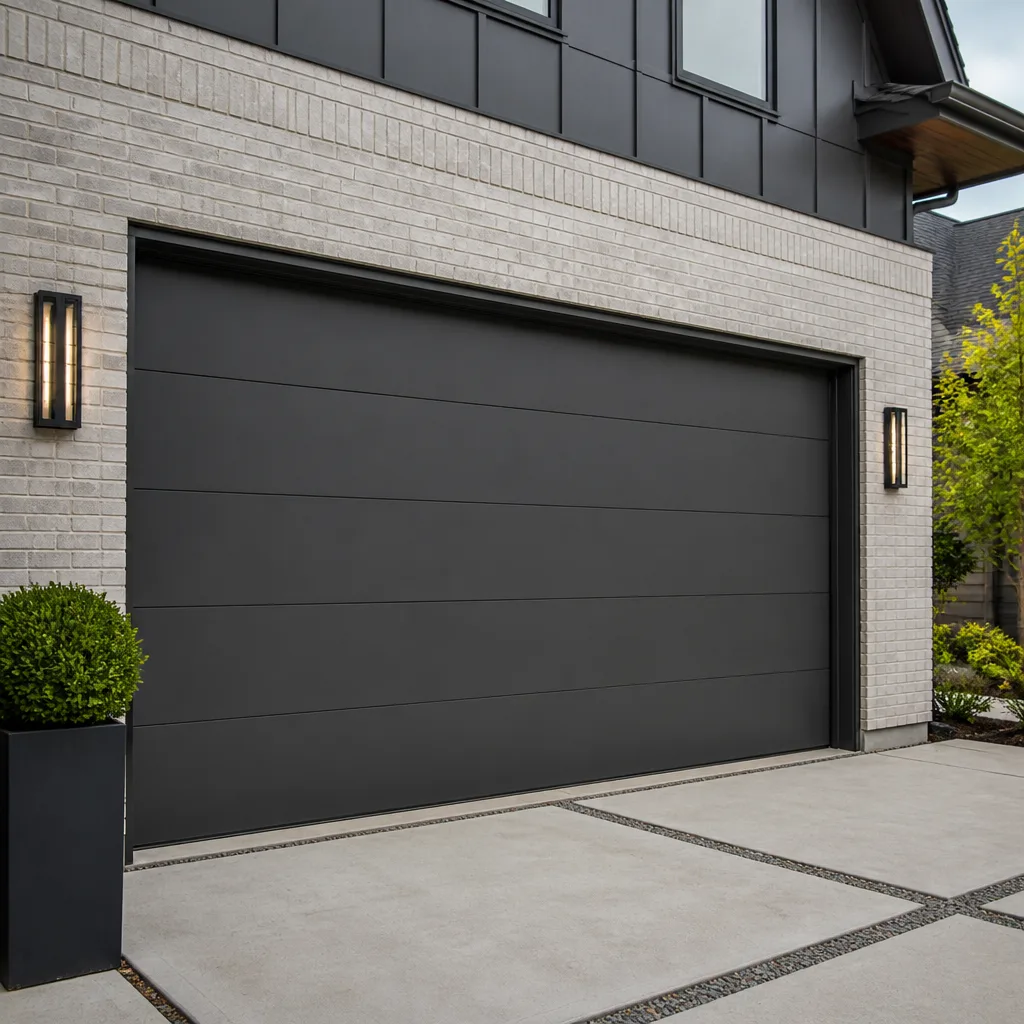 Modern flush
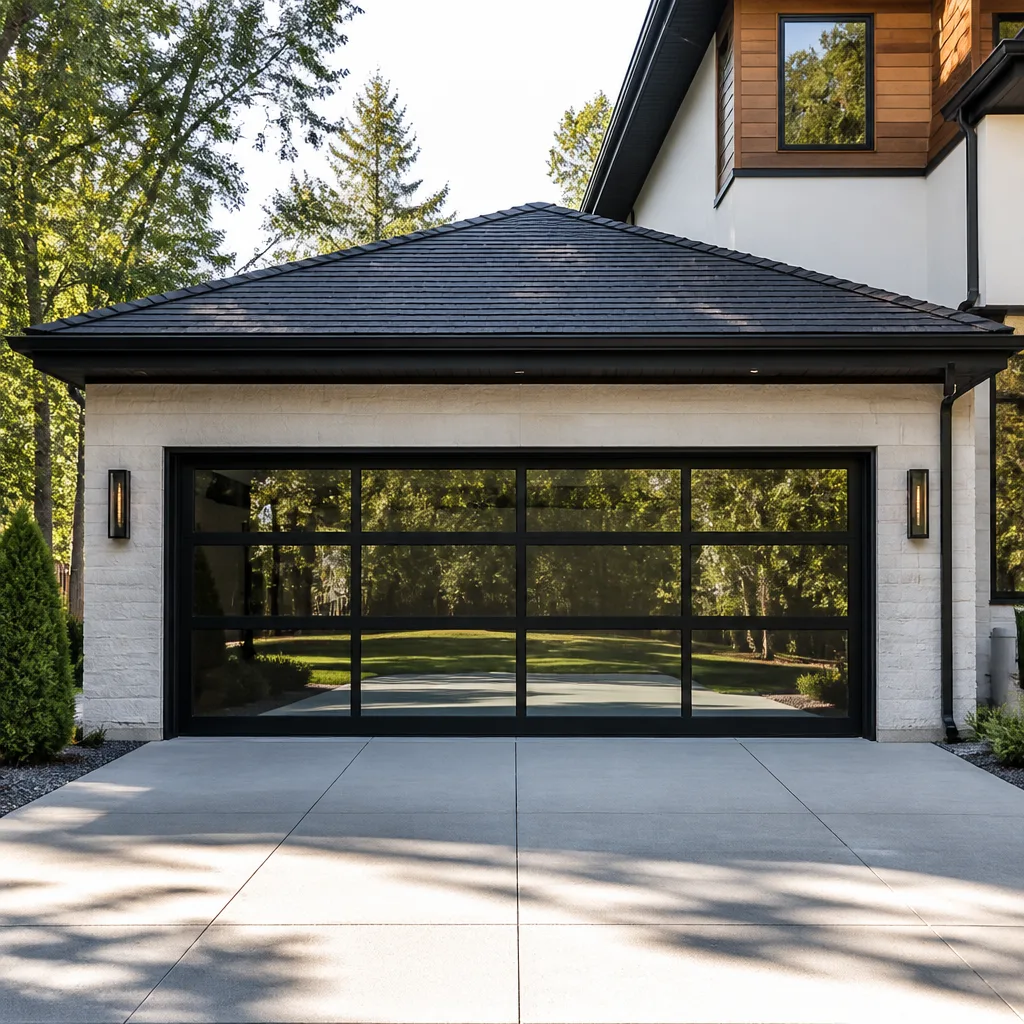 Full-view glass
 LiftMaster openers
 Chamberlain openers
Full 25-point door and opener safety check with every visit - springs, cables, rollers, tracks, and your LiftMaster or Chamberlain opener included
You get a price before we start. It does not change when the pro arrives.
Get your free estimateGarage Door Warning Signs: A Brandon Homeowner’s Reference Guide
A garage door doesn’t just break. It tells you it’s about to break, through a specific grinding sound that means roller failure, a specific bounce at close that means spring imbalance, and a specific hesitation that means the opener is compensating for mechanical drag. The problem is most homeowners don’t have the translation key. They hear a noise, ignore it for a month, and then one morning the door won’t open at all. This guide is that translation key. We’ll map the sounds, movements, and visual cues to the actual component that’s failing, separate the problems that need attention this week from the ones you can schedule, and show you a 30-second check that catches most developing issues. Everything here is written from what we see on garage doors across Brandon.
Quick Answer
The main garage door warning signs are unusual noise (grinding, popping, squealing), uneven movement (a door that jerks, hesitates, or bounces at close), visible damage (dented or rusting panels, a sagging door), and opener strain (the motor working harder than normal or stopping partway). Rust streaking, a separating bottom seal, and a door that slams down instead of settling are the cues we see most often in Brandon’s humidity and heat. Any sign tied to springs, cables, or the door coming off its track is urgent. Cosmetic and seal issues are watchful.
Styles & brands we work with
- Raised-panel steel
- Carriage house
- Modern flush
- Full-view glass
- LiftMaster openers
- Chamberlain openers
Table of Contents
- What Your Garage Door’s Sounds Are Telling You
- Movement and Balance Warning Signs
- Visual Warning Signs You Can Spot From the Driveway
- Warning Signs Specific to Brandon Conditions
- The 30-Second Check That Catches Most Problems
- Opener Problem or Mechanical Problem? How to Tell
- Urgent vs. Watchful: Honest Timelines
- When to Call a Professional
What Your Garage Door’s Sounds Are Telling You
Sound is the earliest warning system a garage door has, and each abnormal noise points to a different component. Below is a translation table you can keep in mind the next time you open the door.
| Sound | Most likely cause | Priority |
|---|---|---|
| Grinding, scraping | Worn rollers or a dry hinge; metal riding on metal | Watchful to urgent if it worsens |
| Loud popping or snapping | A broken torsion spring | Urgent; do not operate the door |
| High squealing | Dry rollers, bearings, or hinges | Watchful |
| Rattling that grows | Loose hardware or a loose opener rail | Watchful |
| Banging at close | Opener force limit set too high, or spring imbalance | Watchful to urgent |
The grinding sound is the one people misread most. A door that grinds usually has a failing roller that’s no longer turning freely, so the metal of the door and track scrape together. Left alone, the same roller can seize and jump the track. Squealing is less serious on its own, but chronic squealing means bearings and rollers are running dry, which shortens their life.
Popping is different. A loud pop followed by a door that won’t lift is the classic sound of a spring breaking, and that’s a do-not-touch situation. Springs are under high tension and can cause serious injury if handled, so call for garage door spring repair and leave it alone until a technician arrives. When you call, tell us the noise and what the door does next; it helps us prepare for the right garage door repair.
Movement and Balance Warning Signs
A healthy garage door rises and lowers smoothly at an even pace. A door that hesitates, jerks, or bounces is showing you a mechanical problem before it becomes a full failure. Watch for these movement irregularities:
- A bounce at close. The door drops faster at the end and bounces slightly when it meets the floor. This usually points to spring imbalance – the counterweight isn’t matching the door’s weight.
- A hesitation on the way up. The opener pauses, strains, then continues. This is often mechanical drag the motor is fighting to overcome, not an opener fault.
- An uneven raise. One side of the door reaches the top before the other, or the door tilts as it travels.
- A sag in the middle. The door bows downward when fully closed. This can mean a failing torsion bar or worn hinges.
- A sudden drop. The door closes too fast, rather than settling. This is the most urgent movement sign because it usually means the spring or cable tension is compromised.
Balance is something you can check safely without touching the moving parts. Disconnect the opener (most openers have a manual release cord), lift the door about halfway by hand, and stop. A properly balanced door stays where you put it. A door that drifts slowly downward is spring-imbalanced. A door that drops fast is a call-us-now situation. We see this pattern repeatedly in Brandon homes where the hardware has been working hard against humidity and heat for years.
Visual Warning Signs You Can Spot From the Driveway
Many developing problems are visible before you ever open the door. A quick walk around the outside can tell you a lot about the health of the hardware inside.
- Rust streaks on the panels. Orange or brown streaking running down from hinges and fasteners is common in Brandon’s humidity. It often signals moisture getting into hardware before it fails.
- A gap along the bottom seal. The rubber seal separating from the door lets in heat, moisture, and pests, and it stops the door from sealing properly.
- A visible gap at the top or sides. The door isn’t closing flush, which can mean the door is out of alignment.
- Bent or dented panels. Even a small dent can throw off panel alignment and put uneven stress on the rollers and track.
- A door that doesn’t sit level with the ground. One corner touching the floor while the other floats means the door is out of adjustment.
- Loose or hanging hardware. Bolts, hinges, or brackets that appear loose or out of place need attention.
None of these require alarm on their own, but they shouldn’t be ignored either. A rust streak caught early might just need a hardware inspection. A bottom seal that’s separating is inexpensive to replace and protects the rest of the system. The point is that a visual walk-around once a month is the cheapest maintenance a homeowner can do.
Warning Signs Specific to Brandon Conditions
Brandon’s heat and humidity speed up the wear on garage door components. The same humidity that makes the air feel thick also affects wood frame components around the opening, and door hardware that stays damp runs into corrosion sooner. Here are the signs you’ll see more often in Brandon:
- Rust streaking on panels and hinges. Humidity and afternoon storms leave moisture on metal; rust follows. It’s the most common visual cue we see in the area.
- A separating bottom seal. The heat breaks down the rubber seal faster than in a mild climate. A seal that’s brittle or pulling away means the door isn’t sealing.
- Opener strain. When wood frames around the garage swell with humidity, the door can drag against them. The opener compensates by working harder, which can burn through the motor sooner. This is why we tell people not to assume a struggling opener needs replacing; sometimes the fix is the mechanical drag behind it.
- Sticking or sluggish movement. Heat swells wooden components and a dry roller runs slower. If the door suddenly feels “heavy,” it’s worth checking the hardware.
We’ve seen a lot of Brandon garage doors that get blamed on the opener when the actual problem is humidity-related drag or a rusted hinge. A technician who checks the mechanical side before recommending parts saves you the cost of an unnecessary opener replacement. Brands like Clopay, Amarr, and Wayne Dalton doors all behave the same way in these conditions, though each has its own hardware quirks. We work on the brand you already have.
The 30-Second Check That Catches Most Problems
Most developing garage door problems can be spotted in under a minute if you know what to look at. This is a visual and functional check, not a repair guide. Never touch springs, cables, or the torsion bar; those are the dangerous parts.
- Close the door and look at it from the driveway. Does it sit level with the ground? Are the panels rust-free and undented? Is the bottom seal touching the floor all the way across?
- Run the door and listen. Open and close it once. Any grinding, squealing, or popping? Does it move smoothly, or does it hesitate and bounce?
- Watch the travel. Does one side move at the same pace as the other? Does the door jerk at any point?
- Test the safety reverse. Place a small object (a block of wood or a roll of paper) in the door’s path and close it. The door should reverse when it meets the object. If it doesn’t, that’s an urgent safety issue.
- Look at the tracks and hardware. Are the tracks straight? Are hinges and bolts visibly loose or rusted?
That minute of attention catches most of the problems we get called for. The safety reverse test is the most important one; it’s the difference between a door that protects the household and one that doesn’t. If a test turns up a problem, the next step is deciding how urgent it is, which is where the next section comes in.
Opener Problem or Mechanical Problem? How to Tell
Homeowners often replace an opener when the real problem is mechanical, or ignore a mechanical issue because the opener “still works.” Getting this distinction right can save a lot of money.
Signs that point to the opener:
- The motor runs but the door doesn’t move at all.
- The opener stops partway through travel, every time, at the same spot.
- The lights on the opener blink in a diagnostic pattern.
- The remote or wall control doesn’t respond, but the door runs fine by hand.
Signs that point to a mechanical issue:
- The door is heavy by hand after the opener is disconnected.
- The door bounces at close or drops fast.
- The door jerks or hesitates while the opener runs steadily.
- The door is uneven while the opener is working normally.
If the door runs fine by hand but the opener fails, the opener is the suspect; if the door fights you by hand, the mechanical side is the suspect. That one test – disconnect the opener and try the door by hand – sorts most of them. If it turns out to be the opener, that’s garage door opener repair. Genie and Craftsman units both fail in characteristic ways, and we know what to look for.
Urgent vs. Watchful: Honest Timelines
Not every warning sign needs a call today. Here’s how we sort them.
Urgent (address this week; do not operate the door if it’s unsafe):
- A broken spring (door won’t lift, or a loud pop has been heard).
- A door that’s come off its track or is hanging loose.
- A snapped or frayed cable.
- A door that slams down rather than closing gently.
- A safety reverse that fails.
Watchful (schedule soon, usually within a few weeks):
- Grinding or squealing noise.
- A door that bounces at close or hesitates on the way up.
- Rust streaks or loose hardware.
- A separating bottom seal.
- A door that’s become noticeably heavier or slower.
The honest rule is this: anything that involves the springs, cables, or the door coming off its track is urgent because it can fail dangerously. Anything that involves noise, seals, or stiff movement is watchful because it’s costing you performance, not safety. Ignoring a watchful sign usually means it becomes urgent within a few months, which is how a small hardware issue turns into a spring repair.
Common Mistakes to Avoid
- Assuming a struggling opener needs replacing. If the door runs heavy by hand, the opener is working against a mechanical problem. Replacing it just puts a new motor on the same drag, and it’ll fail the same way. Check the mechanical side first.
- Ignoring a bounce at close. A door that bounces is spring-imbalanced, and a chronically imbalanced door puts extra strain on the opener and cables. It’s the kind of sign that’s cheap to correct early.
- Washing off rust streaks and calling it done. The streak is a symptom; the hardware underneath is the cause. Cleaning the surface without checking the hinge or fastener misses the point.
- Skipping the safety reverse test. It’s the single most important functional check on a garage door, and it takes ten seconds. A door that fails it is a safety issue regardless of how well it looks.
- Letting the bottom seal stay separated. In Brandon’s heat, a separating seal lets in moisture and pests and stops the door sealing. It’s inexpensive to fix and protects the rest of the hardware.
- Trying to fix a spring yourself. Springs are under high tension and can cause serious injury. This is not a DIY job, and working on it is how people get hurt.
- Waiting until the door won’t move. A door that’s stopped working is the final stage of a problem that was giving warnings for weeks. The warning signs are the chance to fix it before the failure.
See the difference
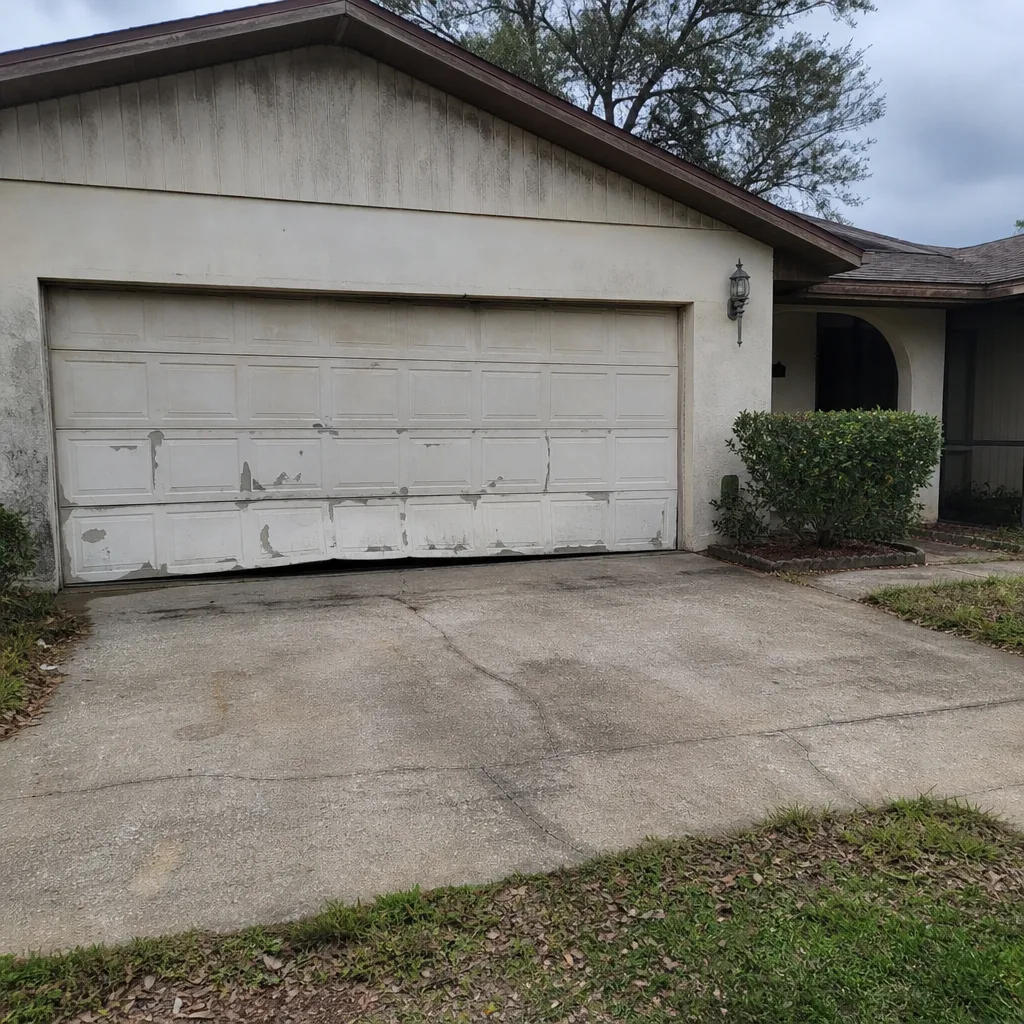 Before
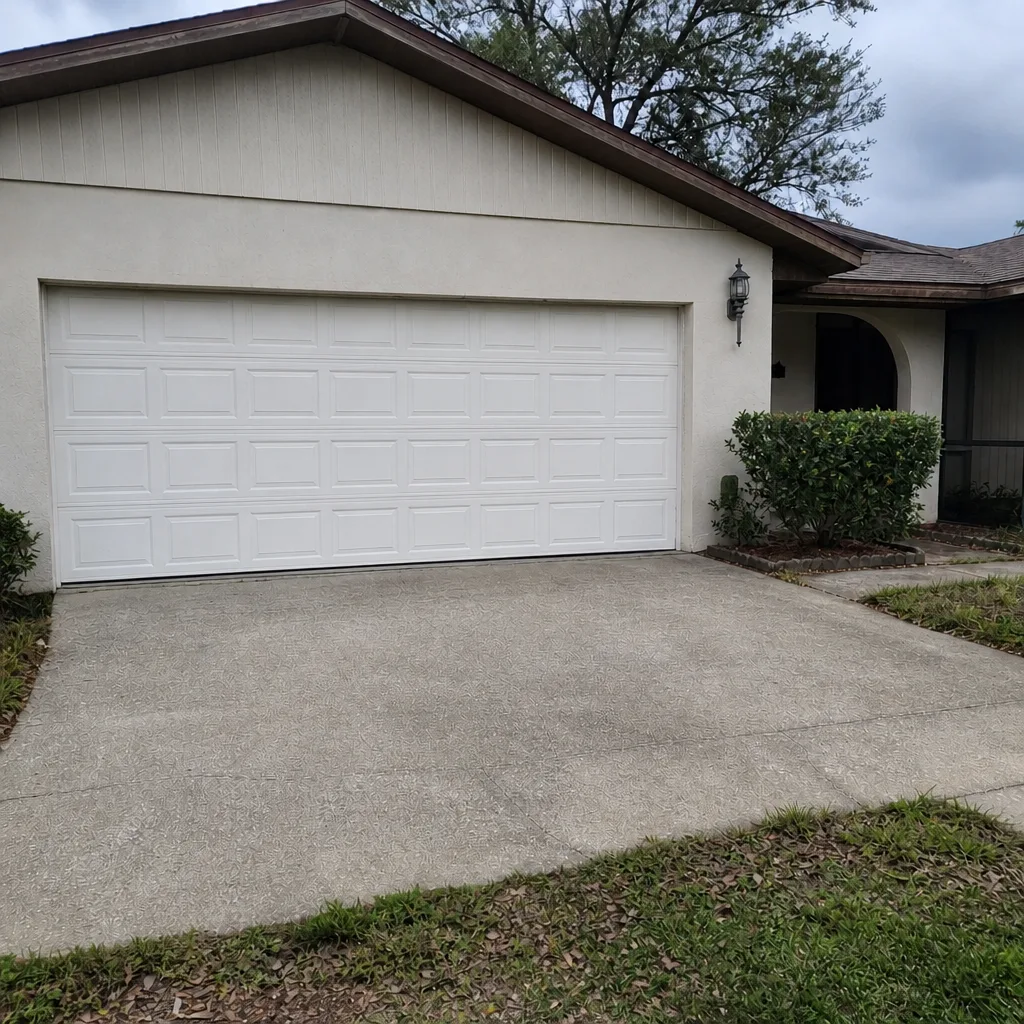 After
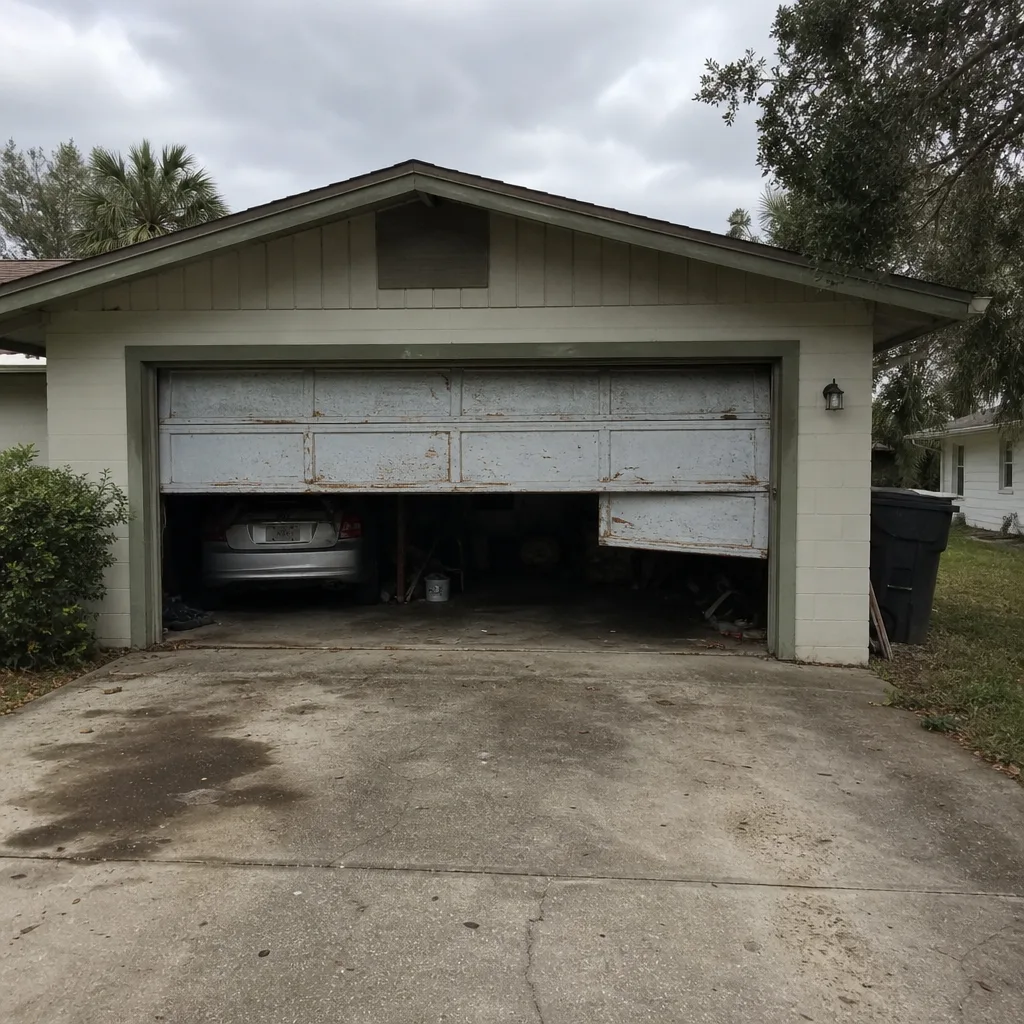 Before
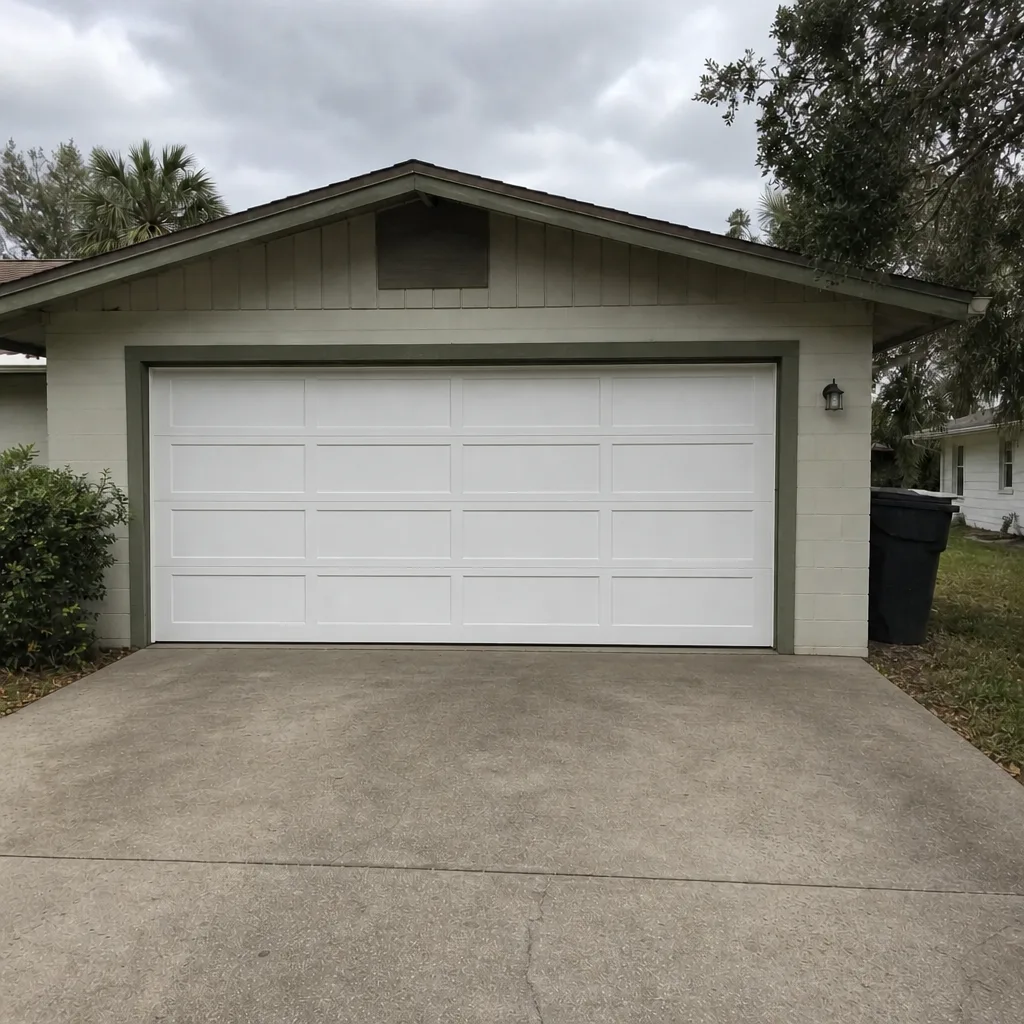 After
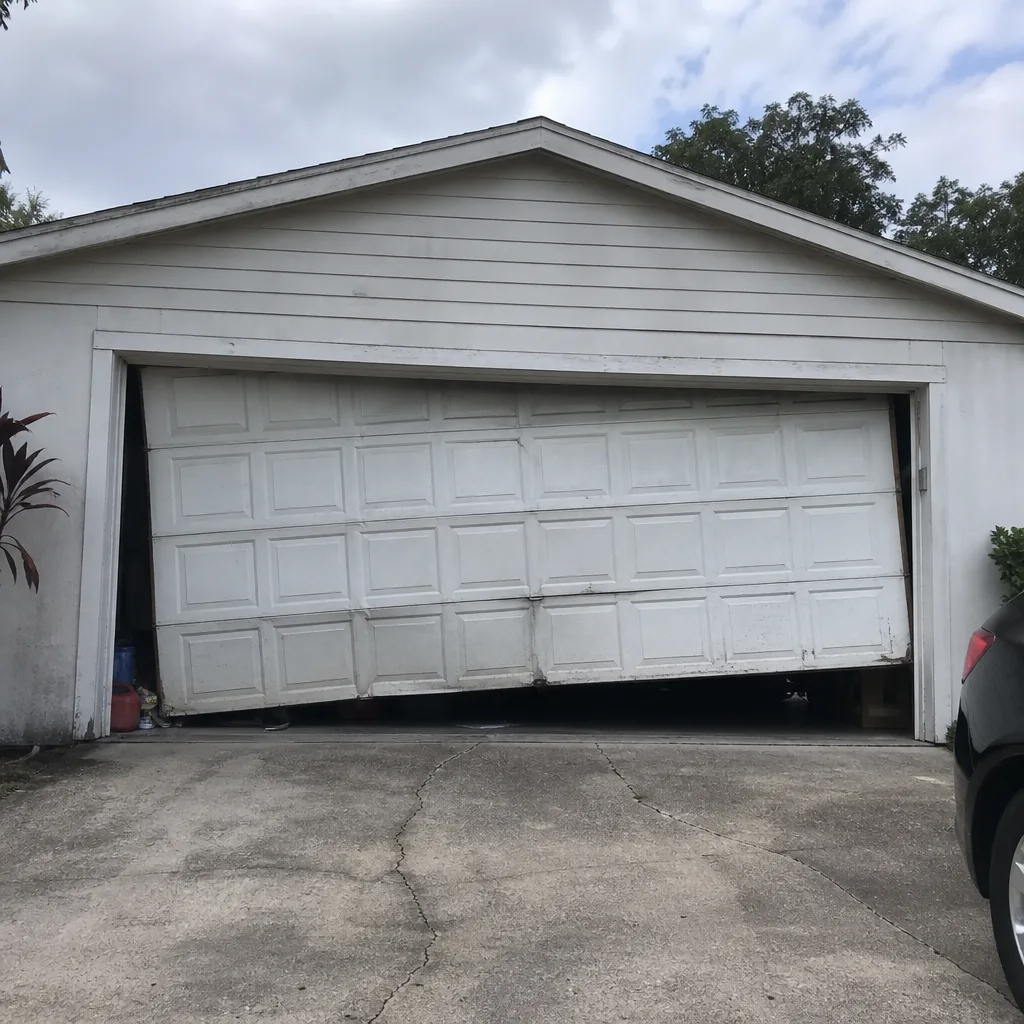 Before
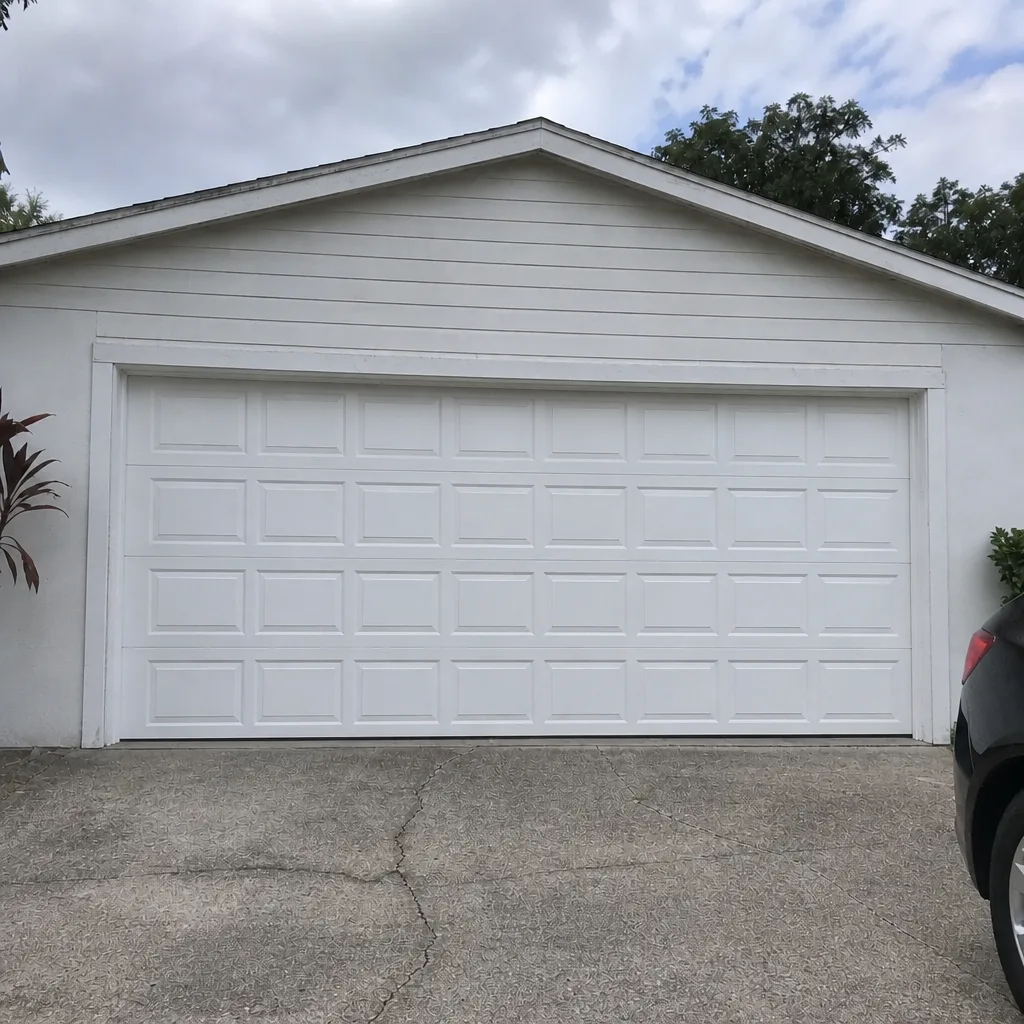 After
When to Call a Professional
Call a professional if the warning sign involves a spring, a cable, the door coming off its track, or a door that slams or drops. Also call if the door has gone heavy or won’t run by hand after the opener is disconnected; that’s a mechanical issue a trained technician should diagnose. Visual and seal issues can wait a short while, but a safety reverse that fails should be addressed promptly. Brandon Garage Door Repair Co offers free estimates in Brandon – call (855) 533-2795. Our technicians have up to 14 years of experience and work on the brand you already have. If a door fails after hours, our emergency garage door service is there for stuck doors, broken springs, and inoperable openers that can’t wait for a next-week appointment.
A Note on Brands and Diagnostics
Diagnostic honesty is the core of what we do. We service equipment from eight leading garage door and opener brands – LiftMaster, Chamberlain, Genie, Clopay, Amarr, Wayne Dalton, Craftsman, and Raynor – so we can work on the system you already own rather than steering you toward a replacement. The warning signs above are brand-independent, but the fixes aren’t; a Genie opener’s diagnostic pattern differs from a Chamberlain’s, and a Wayne Dalton door has hardware quirks worth knowing. For a broader look at what we do, see Brandon Garage Door Repair Co.
Frequently Asked Questions
The most common in Brandon are rust streaks on panels and hinges, a separating bottom seal, and a door that bounces at close or hesitates on the way up. These come from the area’s heat and humidity. Call (855) 533-2795 for a free estimate if you spot any of them.
A spring going bad shows up as a door that’s suddenly heavy, a bounce at close, or a loud pop followed by a door that won’t lift. If you hear a pop, stop operating the door and call for spring repair. Springs are under high tension and are not a DIY job.
Many repair and emergency calls can be handled the same day; we offer emergency service for stuck doors, broken springs, and inoperable openers that can’t wait. Once you call, we’ll tell you the soonest available time. Call (855) 533-2795.
No. We quote and agree the price before any work starts, and the written estimate sets the final price. If we find something different once we’re on site, we’ll show you and adjust the quote before we proceed. Call (855) 533-2795 for a free estimate.
Yes. The local professionals we connect you with are licensed and insured as their state requires. We work on the brand you already have, and our technicians have up to 14 years of experience.
Grinding usually means a failing roller or dry hinge, and it’s worth scheduling soon rather than waiting for a failure. It’s a watchful sign, not an emergency, so there’s time to book. Call (855) 533-2795 for a free estimate.
The Bottom Line
A garage door gives you a running commentary on its own condition. A grind means a roller; a bounce at close means spring imbalance; a hesitation means drag; a pop means a broken spring and a call today. The trick is knowing which signs need attention now and which can wait a few weeks, and doing the 30-second check so you catch the earliest cues. In Brandon, add rust streaks, a separating bottom seal, and humidity-swollen frames to the list, and don’t let a watchful sign turn into an urgent one. We work on the brand you already have, diagnose honestly, and quote before we start. When in doubt, call.
For a free estimate and a straight answer on what your warning sign means, call (855) 533-2795. Our team can talk you through the symptom and get a technician out to your Brandon home.
Written by the team at Brandon Garage Door Repair Co.